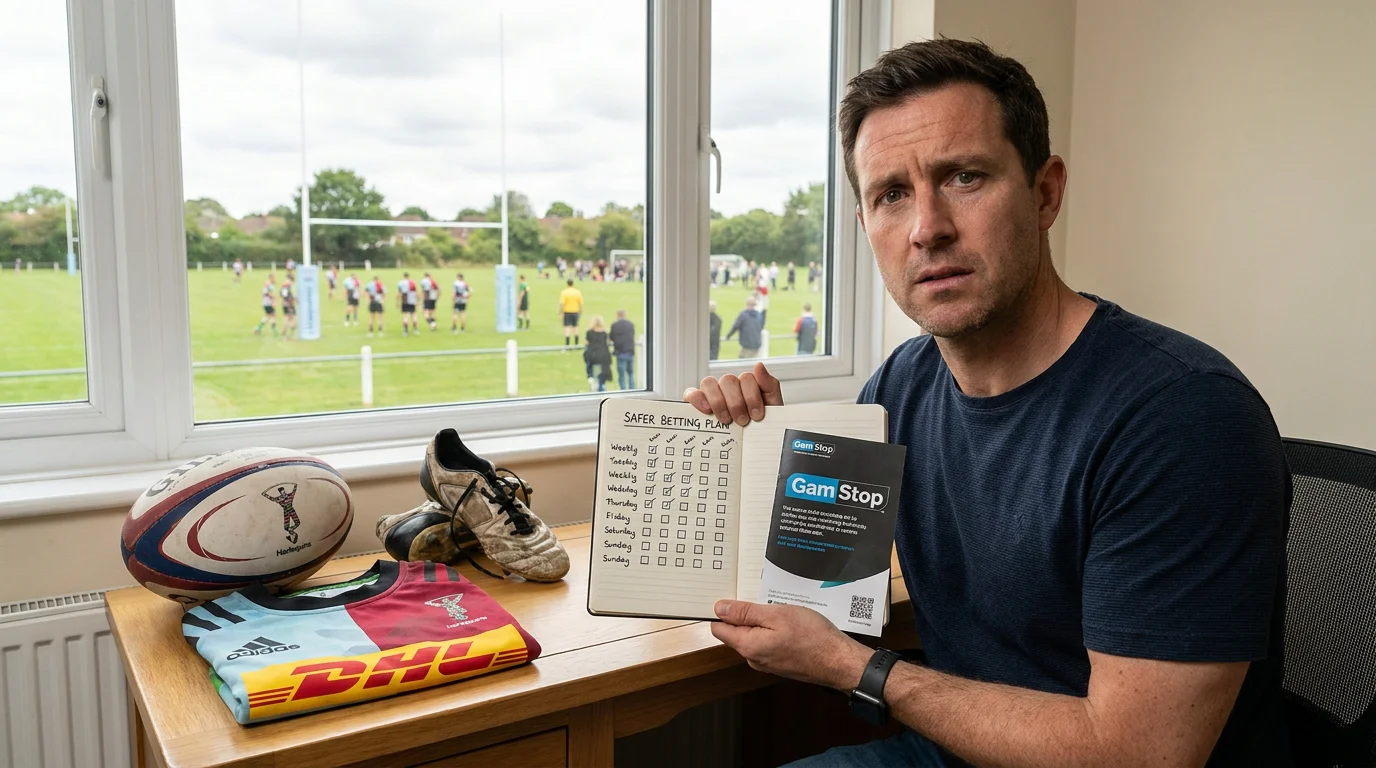
Rugby Betting and Safer Gambling: GamStop, Deposit Limits, and Tools That Help
 Available in US
The infrastructure that protects bettors who actually want to be protected
I have been writing about rugby betting for nearly a decade, and the part of the industry I most want to flag for new bettors is the safer-gambling toolkit. The UK has built genuinely useful infrastructure here — not perfect, not without gaps, but real. The numbers from Safer Gambling Week show what happens when these tools are surfaced properly: deposit limits set during the week rose 41 percent year-on-year, with 281,000 new limits added across the seven days, and safer gambling messages reached 10.95 million people, up 75 percent on the previous year.
The catch is that these tools only protect bettors who use them. A deposit limit you never set is just a screen in an app you never opened. Knowing what is available, and how to deploy it, is the difference between rugby betting as a sustainable hobby and rugby betting as a problem.
What GamStop actually does
GamStop is the UK’s national self-exclusion scheme. Once registered, the system blocks the registered user from creating new accounts or accessing existing accounts at every UK-licensed online operator for the chosen exclusion period — six months, one year, or five years. The block is enforced by operators as a licence condition. Failure to enforce produces regulatory consequences for the operator.
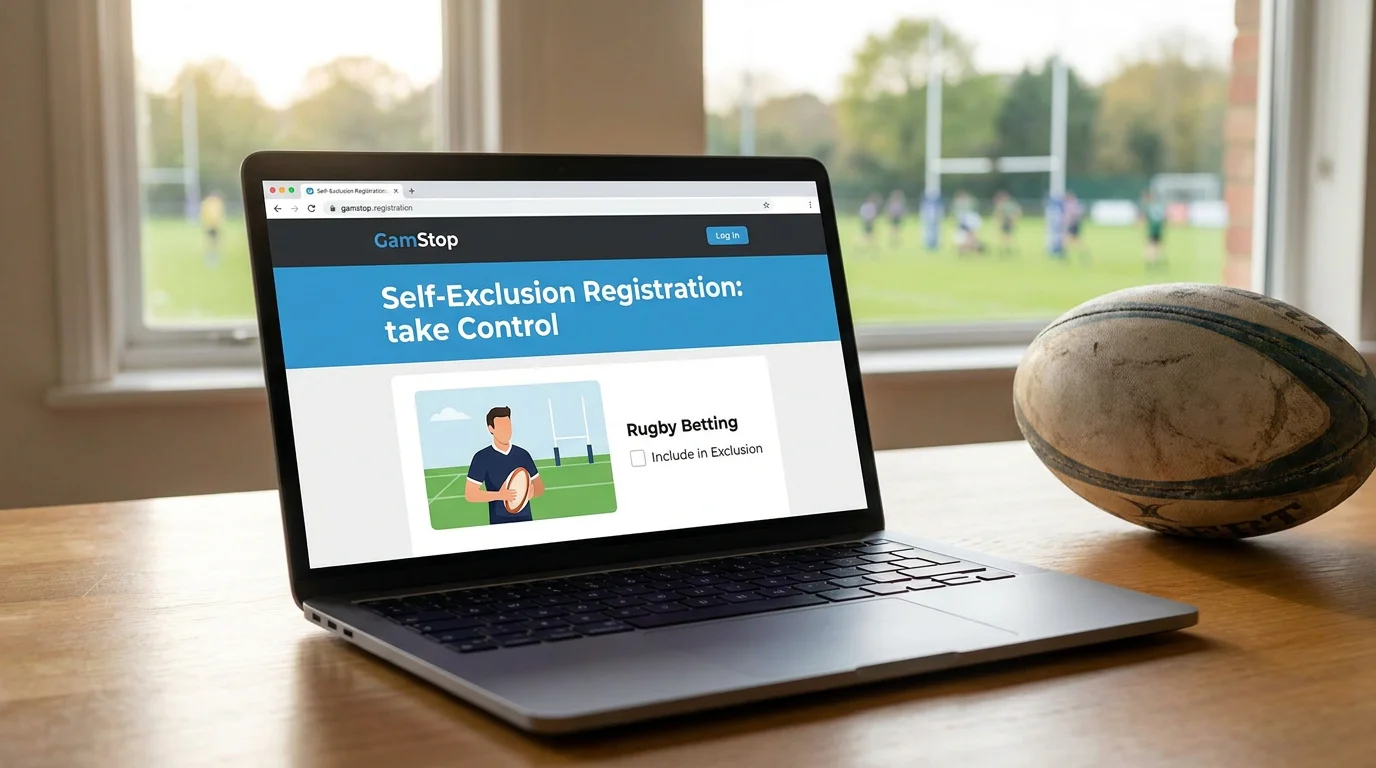
The strengths are real. The system covers every UK-licensed operator, including all major UK rugby sportsbooks. The exclusion is comprehensive — no opt-out, no workaround, no individual operator can override it. Once the period is set, it cannot be shortened. The exclusion includes both new account creation and access to existing accounts that were active before registration.
The limitations are also real. GamStop only covers UK-licensed operators. Sites operating without UK licences — increasingly common in the offshore space — are not bound by the system. A determined user can find an offshore site that ignores GamStop registration. Operators are required to flag such workarounds, but the regulatory protection drops sharply once you leave the UK-licensed market.
Deposit limits and reality checks
Deposit limits are the most-used safer-gambling tool by volume. The 281,000 limits set during Safer Gambling Week tell you the scale. The mechanism is simple: you set a daily, weekly, or monthly cap on how much you can deposit into a single operator’s account. Attempted deposits above the cap are blocked.
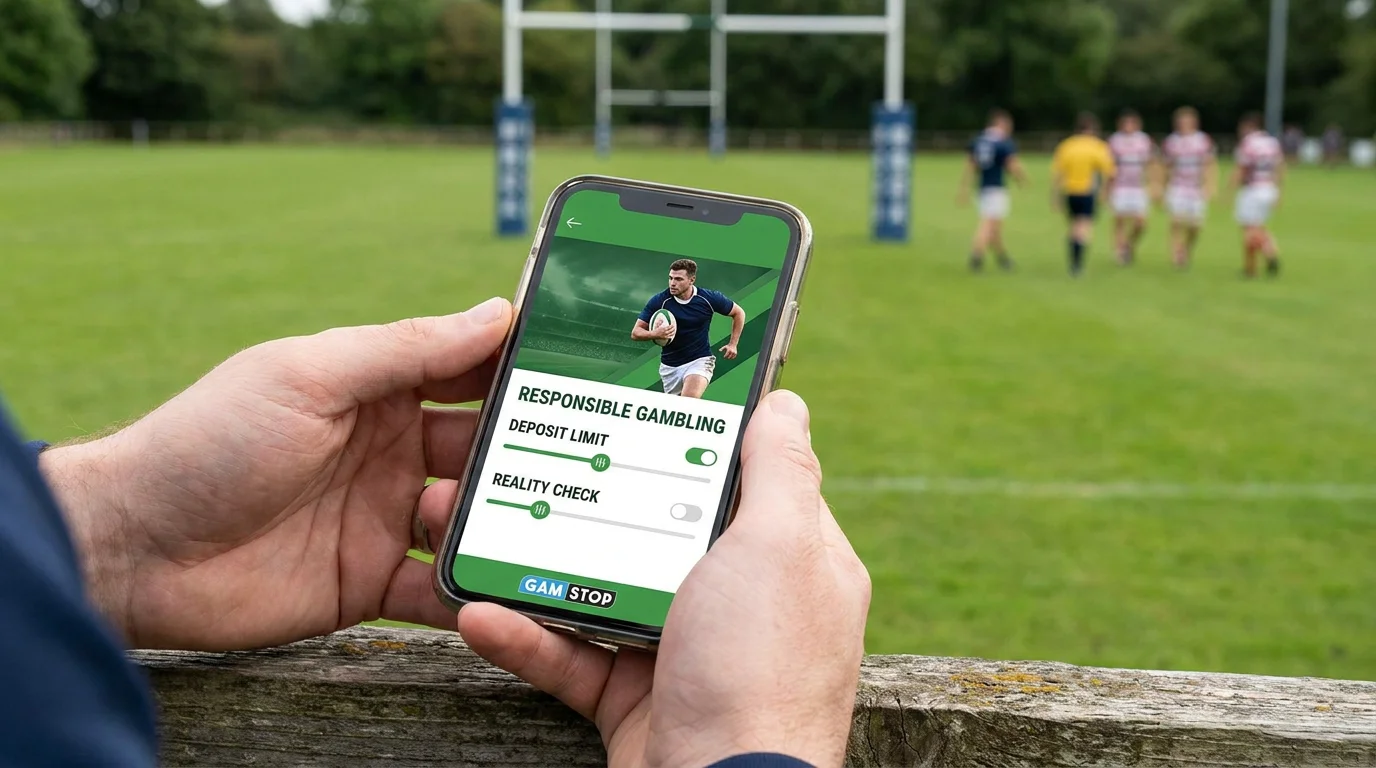
Reality checks are the second pillar. The operator displays a pop-up at user-defined intervals (typically 30, 60, or 120 minutes) showing time elapsed and money staked during the current session. The pop-up requires user acknowledgement before play continues. The friction is small but designed to interrupt automated patterns.
Time-outs are the third common tool. A self-imposed pause of 24 hours, seven days, 30 days, or longer — distinct from full GamStop self-exclusion. Time-outs are operator-specific (a time-out at one bookmaker does not block other operators), but they are useful for short cooling-off periods without committing to the longer GamStop window.
What I recommend setting from the start. A deposit limit slightly below your actual monthly bankroll budget. A reality check at 60 minutes. The combination forces visibility on cumulative spend before it becomes a problem, and the friction prevents extended sessions from drifting beyond intended budgets.
Recognising problem betting patterns
The patterns worth flagging to yourself or to someone you care about. Increased stake size to chase losses rather than to reflect higher confidence. Betting on competitions or markets outside the bettor’s normal interest because they need a faster fix than the standard rhythm allows. Hiding the scale of betting from family or partners. Betting with money intended for other purposes — rent, bills, essentials.
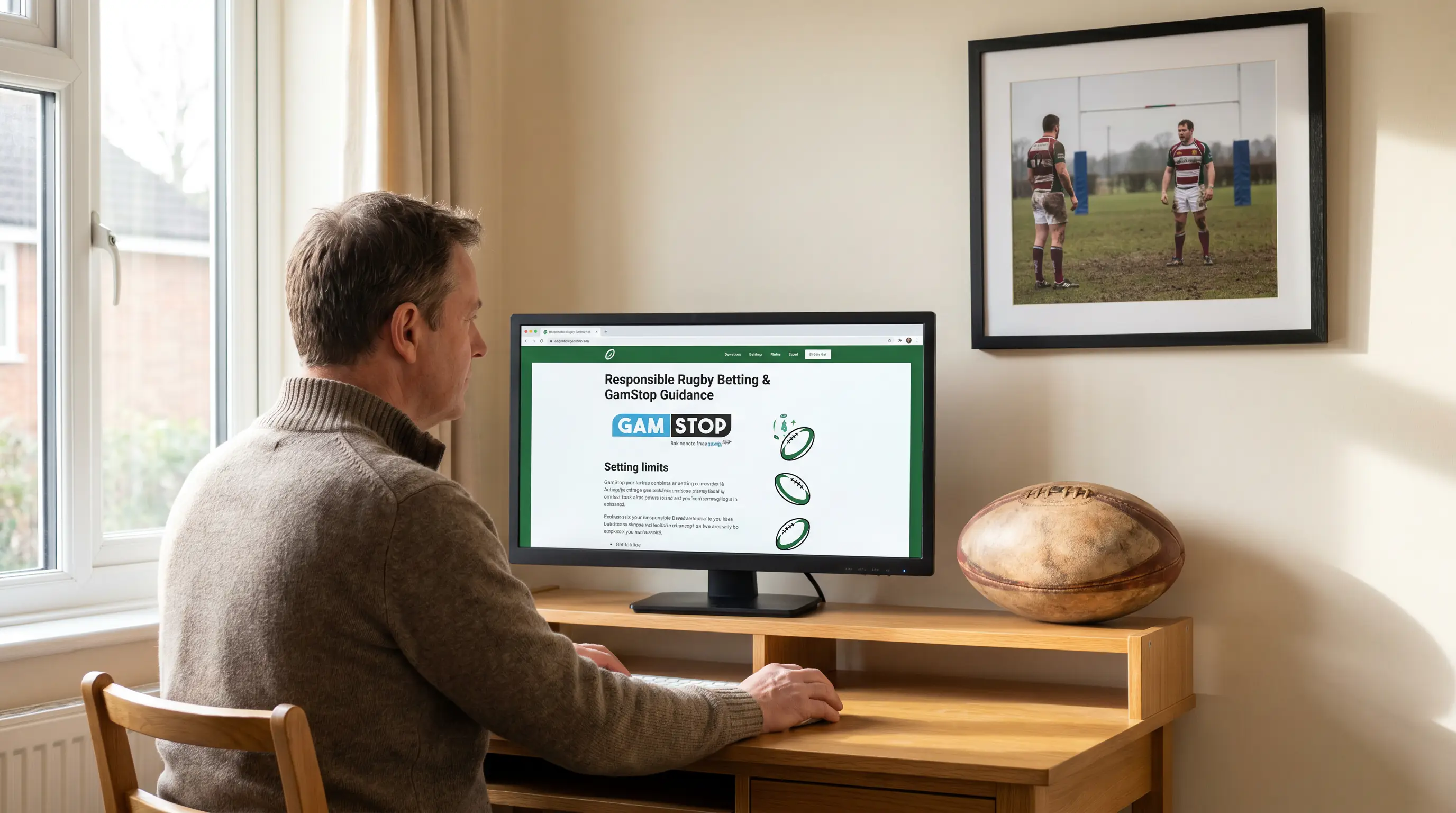
The behavioural shifts are usually clearer to observers than to the bettor. Withdrawing from social activities to bet. Persistent low mood after losing weeks despite a stable financial position. Strong emotional reactions to specific match outcomes that feel disproportionate to the actual stake. These are signals that the activity has shifted from recreational to compulsive.
The cleanest test I keep coming back to: if you stopped betting tomorrow, would you feel anything beyond mild boredom? If the answer involves anxiety, anger, or relief at the prospect of stopping, the relationship is not recreational anymore. That self-assessment is uncomfortable but useful.
Support organisations in the UK
The main UK support pathways operate independently of operators and are free at the point of access. GambleAware funds research, treatment, and harm-reduction work nationally. The National Gambling Helpline operates 24/7 for confidential support. GamCare runs counselling services and online communities for affected bettors and their families. Gordon Moody offers residential treatment for severe cases.
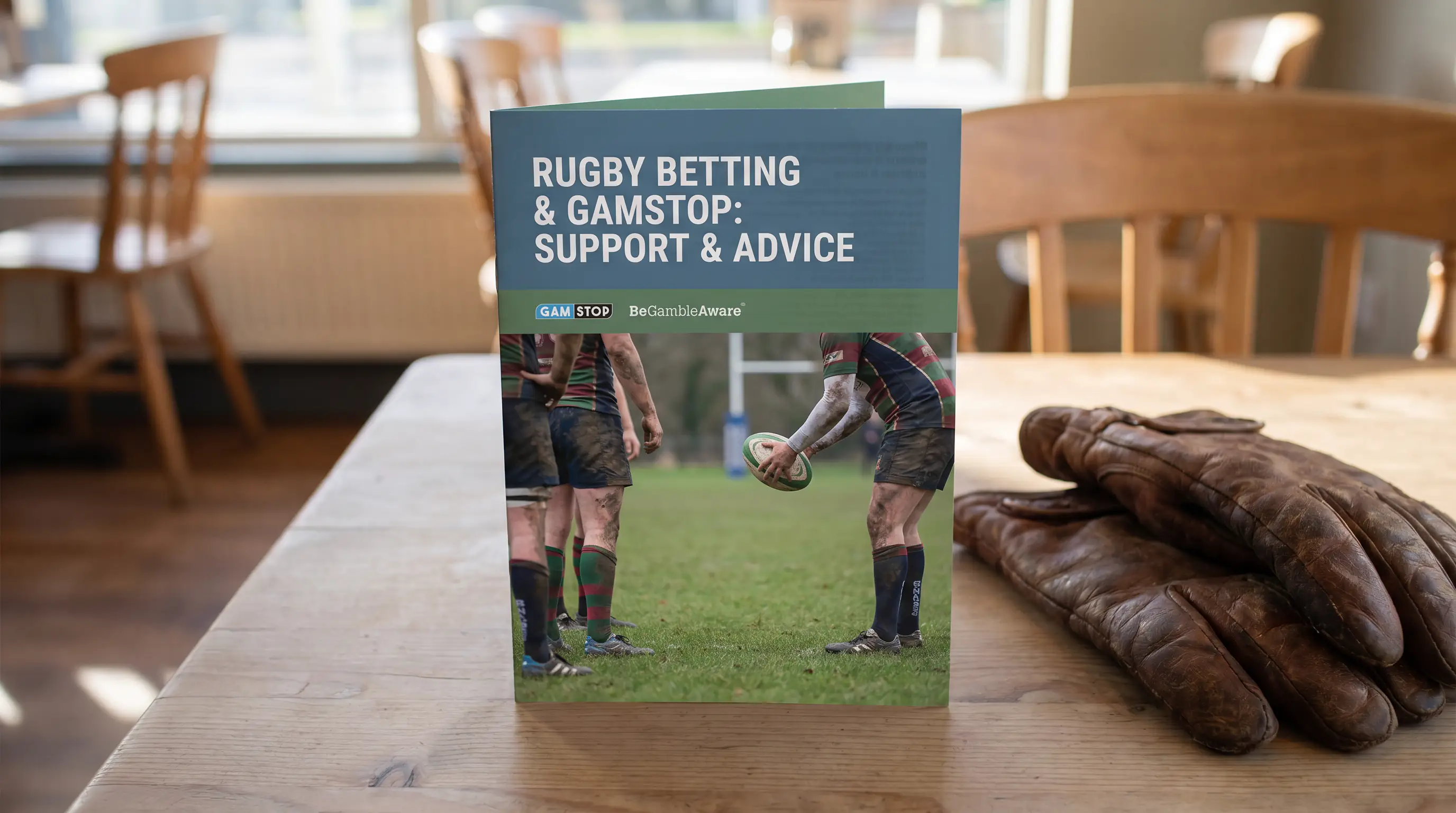
These services are accessible without referrals and without GP intervention. The advice and treatment is anonymous if requested. Operators are required to surface these services in their responsible-gambling pages and in onboarding flows, though the implementation quality varies — the operators that promote them prominently tend to be the ones that take the brief seriously.
The cultural shift on this matters. Five years ago, asking for help carried more stigma than it does now. The 22.5 million Britons who place a bet each month make this a mainstream activity, and the support infrastructure has evolved to match. Using these services is not an admission of failure; it is a use of available infrastructure.
Bookmaker safer gambling tools
Beyond the cross-industry GamStop and the support services, individual operators run their own safer-gambling toolkits. The depth and quality vary, but the common features include deposit limits with daily/weekly/monthly tiers, loss limits, session-time limits, reality checks at user-defined intervals, full account self-exclusion, and gambling-history dashboards showing cumulative deposits, withdrawals, and net position over chosen periods.
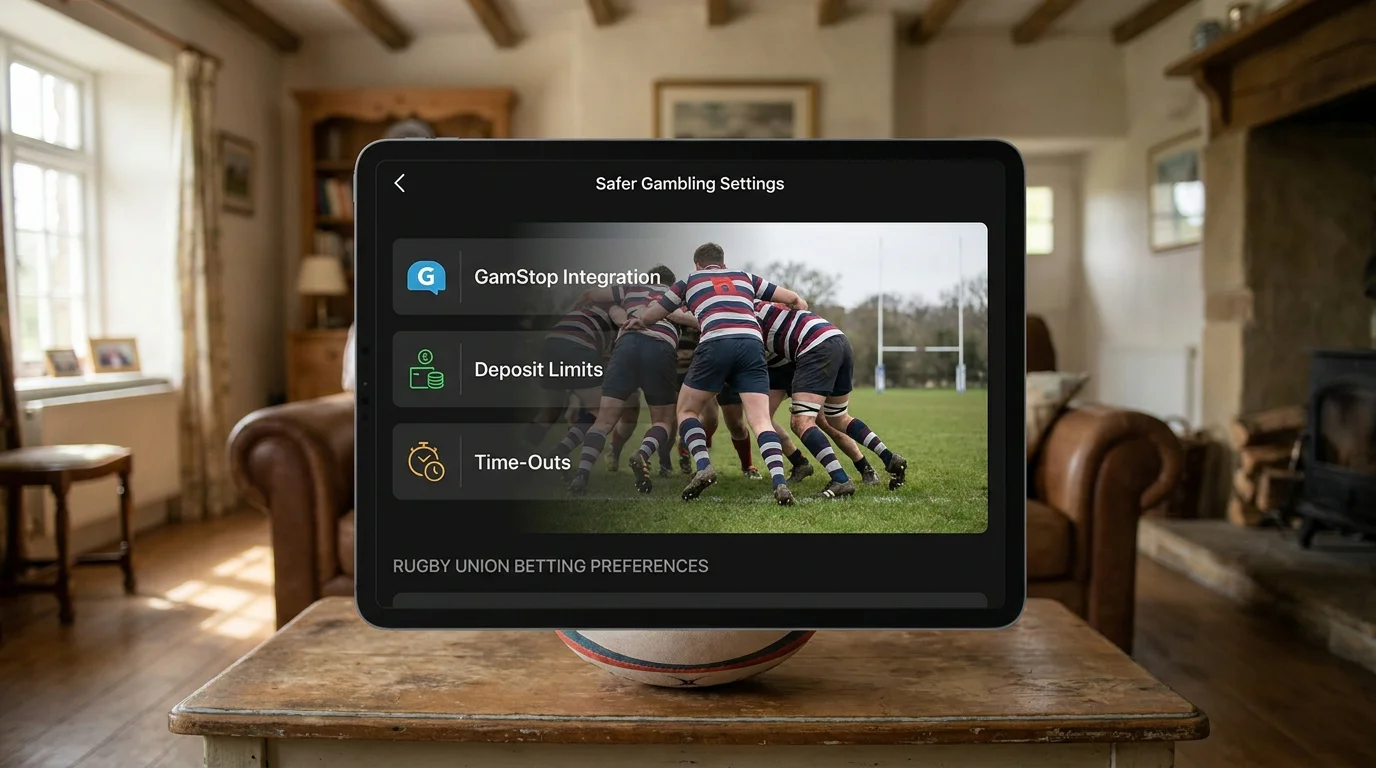
The dashboards are the underused tool. Most bettors do not check their cumulative position across months. The dashboards make this visible in seconds. A bettor who thinks they are roughly breakeven but is actually £400 down across three months has actionable information to adjust stake sizes or take a break. The information is free, instant, and standard across operators.
The 13.5 million average monthly active online accounts in the UK in early 2025 tells you the scale of the audience. The dashboards exist precisely because the regulator requires them, and they are useful even for bettors who do not feel they are at risk. Visibility on the actual position is its own form of protection.
Building the habits that keep betting healthy
The discipline that keeps rugby betting sustainable is uncomfortable to articulate because it sounds preachy. Stake within a budget you can lose. Set deposit limits at the budget level. Use reality checks. Check the dashboards monthly. Recognise the early signals before they become late ones. The 41 percent increase in deposit limits during Safer Gambling Week 2025 shows that bettors who see the tools surfaced will use them. The tools work; the activation is the bottleneck. For the related operator-promotional context that interacts with how bettors actually spend, see my piece on bonuses and wagering responsibly.