
Rugby World Cup 2027 Betting: Outrights, Pool Markets, and the New 24-Team Format
 Available in US
The first time I priced a Rugby World Cup outright was 2015. Wales were 9/1, England were 4/1 as hosts, and I lost my shirt on a Japan-Scotland scenario that the bookmakers said couldn’t happen. Two World Cups later, I’ve learned the only consistent rule in this market: every cycle rewrites itself. The 2027 edition in Australia is going to test that lesson harder than any previous tournament, because for the first time the format has changed in a way that matters to every bet you’ll ever place on it.
Twenty-four teams instead of twenty. A new Round of 16 stage. Pool stages that now reward second place more meaningfully. That’s not a cosmetic adjustment — it’s a structural change to how outright pricing has to be modelled. The bookmakers know it. The smart money knows it. Casual punters who roll up to the ante-post boards in 2027 with their 2023 mental model will find the value has migrated.
What the 24-team format actually changes for bettors
I’ll start with what hasn’t changed. The top tier of teams — South Africa, New Zealand, France, Ireland, England — still account for the lion’s share of outright probability. The trophy will, almost certainly, end up with one of those five. What’s changed is the path through the bracket and the pool-stage volatility along the way.
Under the old twenty-team format, four pools of five meant top-two automatic progression to the quarter-finals. The bracket was tight and the difference between first and second in a pool often didn’t materially shift outright odds — both seeds usually drew a manageable quarter-final. Under the new twenty-four-team structure, six pools of four feed into a Round of 16, and pool position now dictates which side of the bracket you land in. That single extra round adds a knockout match to every contender’s path, which adds volatility and pushes outright prices slightly longer for everyone outside the top three.
The other consequence is that lower-tier qualifiers now have a real knockout fixture against Tier 1 sides. The “minnow” win that’s haunted bookmakers for two decades — Japan over South Africa in 2015, Uruguay over Fiji in 2019 — now has its own dedicated market window. Bookmakers will price upset specials around the Round of 16 more aggressively than they did pool-stage upsets, because the stakes are higher and the public attention is concentrated.
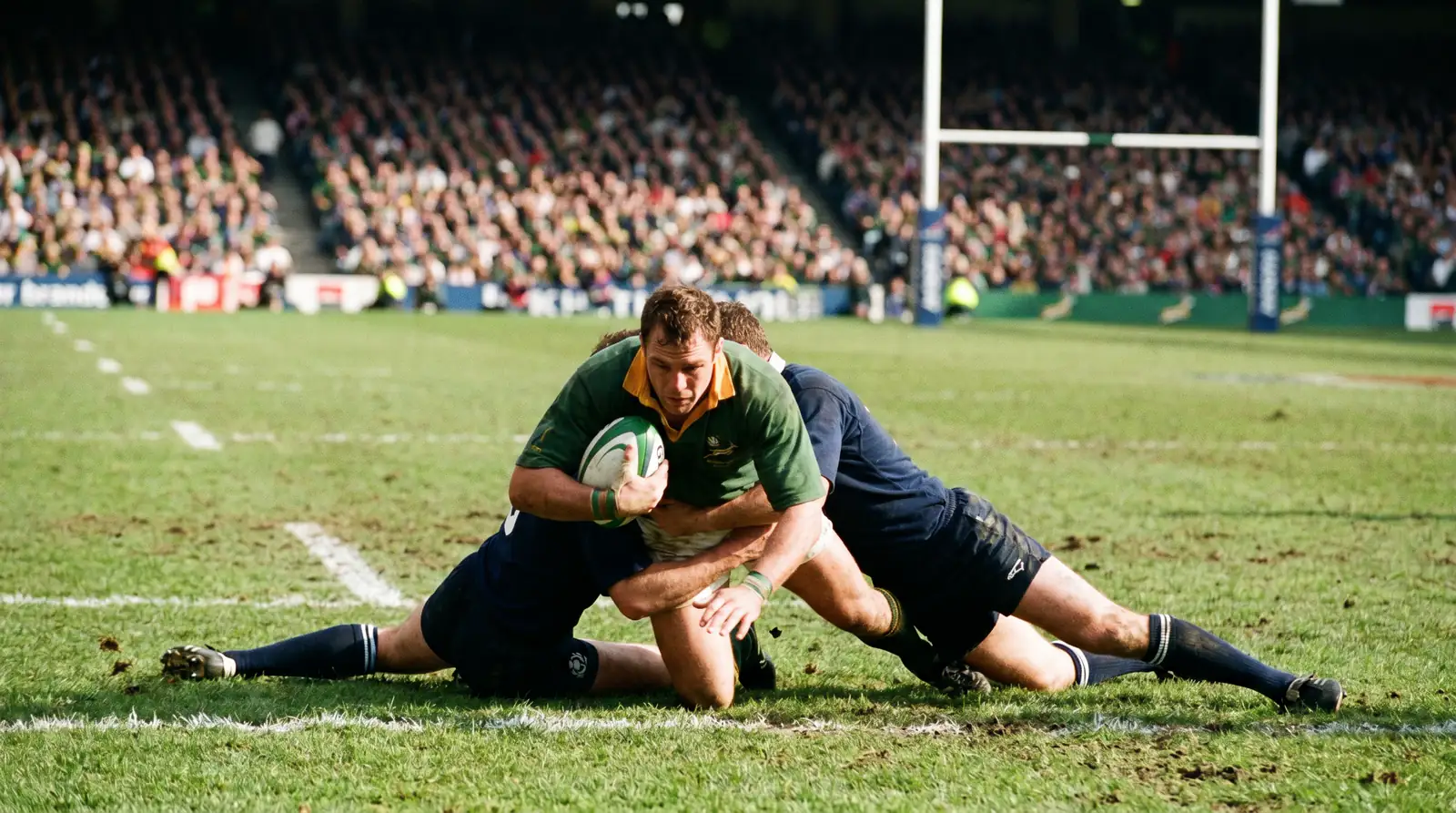
There’s also a knock-on effect for outright trading mid-tournament. Under the old format, a shock pool-stage result might shift outright prices by 10-15% on the affected sides. Under the new format, the same shock result still moves the line, but the additional Round of 16 fixture acts as a second filter — the top sides have more time to recover from a stumble and the eventual quarter-final draw is less determined by a single bad afternoon. Expect ante-post prices to be less reactive to pool-stage upsets than they were in previous cycles, which means the in-tournament value migrates from “buy the dip” trades into pre-Round-of-16 each-way positioning.
How the outright winner board is shaping up
Betfair currently has South Africa as 9/4 favourites to win the Rugby World Cup 2027 — that’s an implied probability of 28.6%. New Zealand sit at 7/2, France at 9/2, England at 5/1, Ireland at 6/1, and the hosts Australia at 9/1. That ladder tells you something the bookmaker isn’t going to spell out: the implied probability across the top six adds up to roughly 92%, which means the field — every other nation combined — is being priced at around 8% collectively.
That 8% feels too low to me. With twenty-four teams in the draw and a Round of 16 introducing genuine knockout risk for the top seeds, the probability that one of the second-tier nations runs deep is materially higher than the open price suggests. Argentina, Scotland, Wales — each of them has a non-trivial path to the semi-finals if the bracket breaks their way, and ante-post each-way pricing on those names tends to be more generous than the headline win price implies.
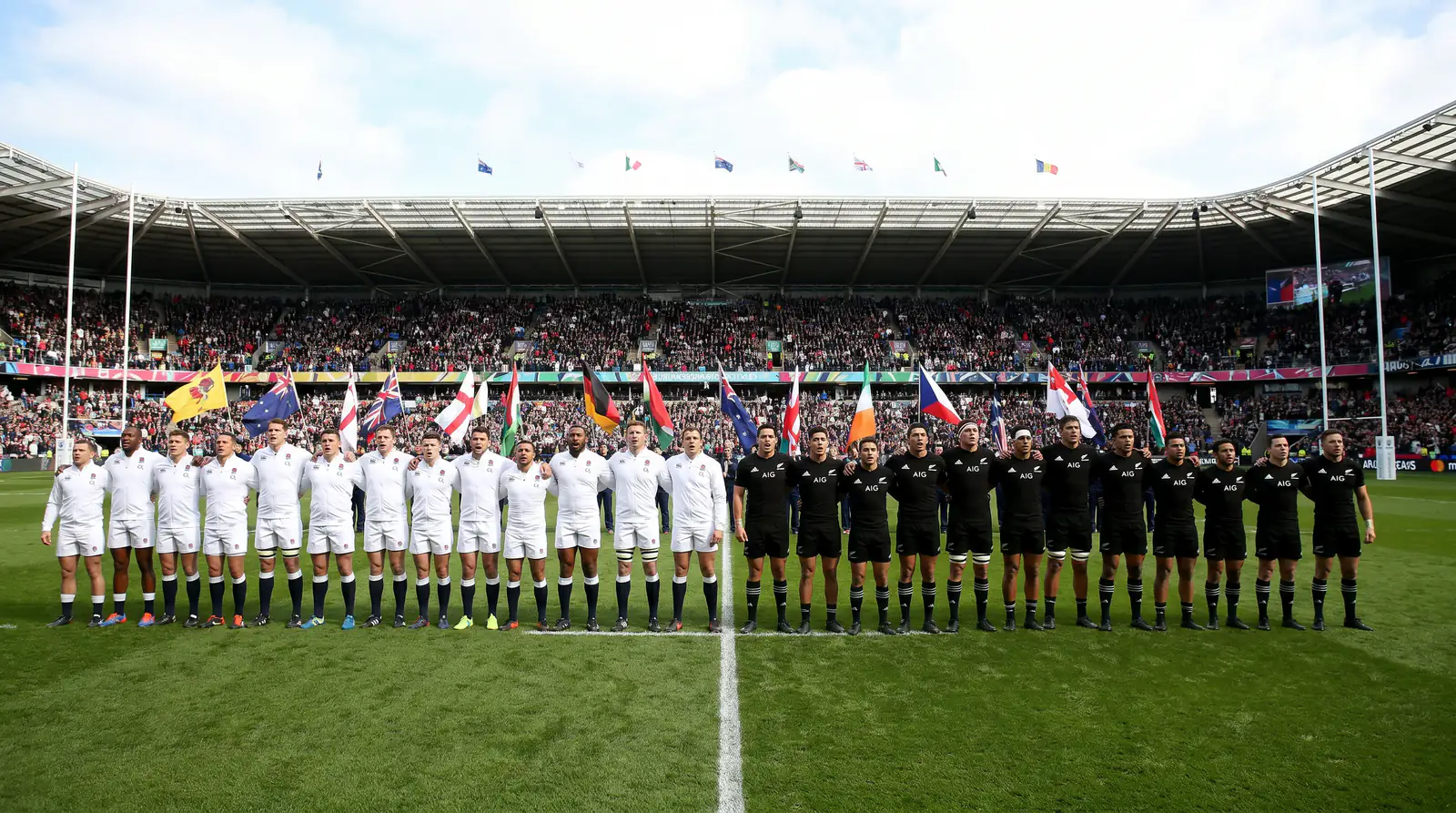
The analyst commentary around this market is worth reading carefully. Betfair’s Sam Rosbottom framed the cycle clearly: “South Africa are 9/4 favourites to win the Rugby World Cup for a third successive time in 2027. The Boks have cemented their position as World No.1 and are likely to collide with 7/2 second-favourites New Zealand in the quarter finals. England’s strong autumn form sees them as fourth favourites at 5/1.” The quarter-final collision point he highlights is the structural reason why South Africa’s price has a ceiling. Even at 9/4, the Boks are pricing in a likely path through New Zealand. If the bracket draw avoids that collision, their true probability is higher than the open price.
Working through the contenders tier by tier
Top tier — South Africa, New Zealand. The defending champions and their oldest rivals. Both squads are deep, both have institutional knowledge of how to win knockout rugby, and both are priced shorter than their recent form alone would justify. Ante-post pricing here is about pedigree as much as form. I rarely play these two as straight win bets at the open price; I prefer to wait for in-tournament drift on shock results.
Second tier — France, England, Ireland. Each of these sides has a credible case for the trophy and each carries a specific structural risk. France’s price reflects the home-disadvantage of playing in Australia, where their travel and time-zone burden is higher than the Northern Hemisphere rivals. Ireland have the haunted-favourite tag from previous cycles where they’ve stumbled in the quarter-finals. England trade on the back of recent autumn results, which is exactly the kind of form-driven price the bookmaker is happy to lay because it overweights the most recent data.
Third tier — Australia, Argentina, Scotland, Wales, Fiji. The 9/1 price on Australia is the host-nation premium in action. Bookmakers consistently shorten host nations relative to their form because home support, crowd pressure, and travel-free schedules matter at the margin. Argentina and Fiji are the high-upside underdogs in this group; both have credible Round of 16 and quarter-final paths if the draw cooperates. Scotland and Wales are the each-way plays for traditionalists.

Outside the top eight, the each-way market collapses and bets become structural punts rather than value plays. The expansion to twenty-four teams introduces nations that would have been wildcard entries in previous cycles, and bookmakers will offer “to make the Round of 16” props on every nation as the tournament approaches. Those qualification props tend to be where the genuine longshot value lives.
One subtler tier dynamic worth tracking is the squad-depth tax. World Cups reward sides that can rotate effectively across a six-or-seven-match campaign without dropping intensity. South Africa and France have the deepest squads on paper for 2027; New Zealand and Ireland sit a half-tier below; England’s depth depends heavily on how the front row settles in the months before kick-off. Bookmakers don’t price squad depth directly, but it leaks into the outright market through performance in the back end of pool stages and the Round of 16. A side that flies through pool stage with rotated starters is priced more attractively for knockout matches than its raw outright number suggests.
Pool stage and qualification markets
The pool stage is now a two-tier qualification race rather than a single sorting exercise. First place still earns the easier Round of 16 fixture; second place earns the harder one. Third place — which previously meant elimination — now feeds into the Round of 16 from specific pools, with rules around best third-place finishers that I expect bookmakers to price specifically once the format details are confirmed.
That two-tier qualification creates new markets. “To finish top of pool” lines will be more meaningful than they were under the old format because the difference between first and second is now a genuine bracket advantage. I’d expect “to top the pool” prices on the pool favourites to come in around 1.45 to 1.65 in the easier groups and closer to 2.00 in the toss-up pools featuring two genuine contenders.
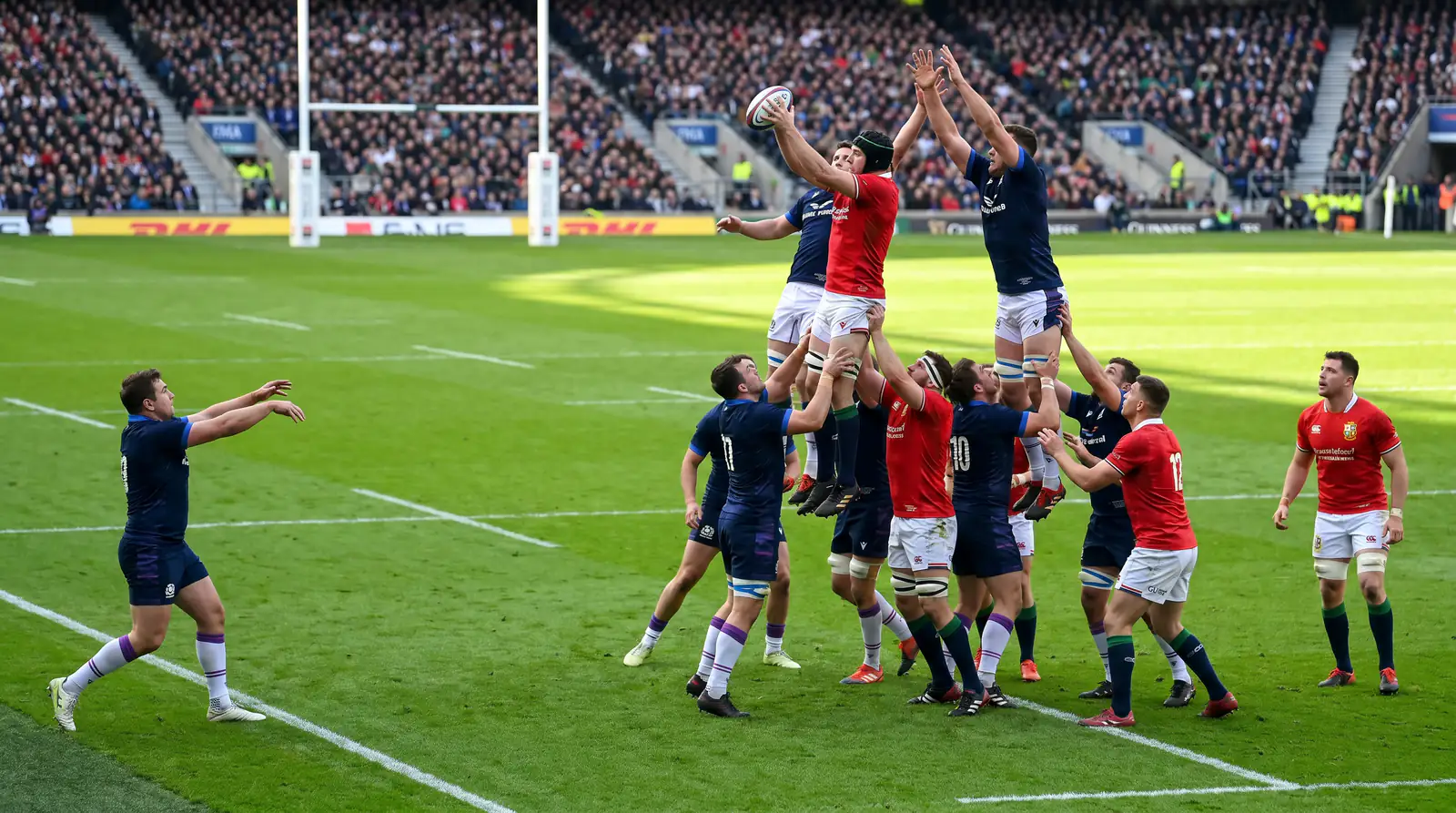
The pool-stage handicap market is the other one to watch. Under the old format, Tier 1 versus Tier 3 fixtures often produced 40-plus point handicaps because the result was a foregone conclusion. The expanded format may see slightly tighter spreads in some Tier 1 versus emerging-nation fixtures, partly because the lower-tier squads will have qualified through a more competitive pathway and partly because Round of 16 implications give the Tier 1 sides incentive to rest starters rather than chase margin.
Tournament props that are worth a look
The top tournament tryscorer market is one of my favourite long-form bets, and the expanded format makes it more interesting. With more matches available for the top sides and a Round of 16 added, the leading try scorer in 2027 will likely have more opportunities to accumulate scores than in any previous edition. Wingers from the deepest squads — South Africa, New Zealand, France — have the structural advantage here, but a star finisher on a side that runs deep into the bracket can outscore them.
The “Golden Boot” or top tournament points scorer market follows similar logic but rewards consistency over flair. Look for first-choice goal-kickers on Tier 1 sides who are also playing fly-half. The combined points from both penalties and conversions, on a team that progresses to the semi-finals, will almost always beat a pure winger’s tryscorer total.
Specials worth tracking include “number of upsets in pool stage”, “to score a hat-trick during the tournament”, and “Tier 1 nation to be eliminated in pool stage”. These props tend to open with conservative pricing because bookmakers haven’t fully modelled the new format yet. The first month of ante-post pricing on novelty markets often contains the cleanest value of the entire cycle, before the lines tighten as the tournament approaches.
The host nation factor and what Australia’s price really means
The 9/1 on Australia is doing a lot of work. Australia have not won a World Cup since 1999 and their recent form would, on paper, suggest a price closer to 14/1 or 16/1. The host-nation premium accounts for the gap. There are three reasons bookmakers consistently shorten home nations beyond their pure form rating.
The first is crowd influence. Home fixtures in pool stages produce measurable performance lifts, and the knockout rounds played in front of a home crowd compound that advantage. The second is travel. Australia avoid the time-zone and jet-lag burden that every other Tier 1 contender will carry. The third is selection — host nations tend to have the political and financial alignment to field their strongest available squad with maximum preparation time.

How much of that 9/1 is justified host-nation premium and how much is bookmaker over-shortening? My read is that the true price for Australia should sit somewhere between 11/1 and 14/1, meaning the 9/1 is on the short side of fair. If you’re playing the host nation as an ante-post each-way, the moment to act is well before the tournament begins and ideally before any positive momentum in Super Rugby or warm-up internationals tightens the price further. For a deeper read on how bookmakers historically price the host advantage, my notes on host nation pricing patterns in RWC history are where I keep coming back to test the premium against the data.
Bankroll strategy for the long ante-post hold
The 2027 World Cup is roughly an eighteen-month bet from the time most punters first take a serious look at the market. That long hold creates two specific bankroll problems. The first is variance over the holding period — your stake is locked up while other betting opportunities pass by, and the cash drag is real. The second is the risk of withdrawal or injury between bet placement and tournament start, which can void or reshape ante-post positions depending on bookmaker rules.
My rule is to cap ante-post exposure at no more than 10% of seasonal bankroll. Within that cap, I split between outright winner positions, semi-final qualifier each-way bets, and tournament props. The split looks roughly like 40% outrights, 35% each-way semi-final positions, and 25% specials. That mix gives me exposure to the headline trophy market without overcommitting to a single eighteen-month bet.
The settlement rules also matter more in ante-post than match betting. Different UK operators handle player withdrawal differently — some void bets if a specific named player doesn’t participate, others let the bet run regardless. Always read the terms before placing a meaningful ante-post stake. The fine print on a £100 outright bet is the difference between a void return and a stake-lost result if your fly-half pulls a hamstring in the warm-up week.

One more bankroll note: keep cash available for in-tournament value. The biggest ante-post mistake punters make is committing 100% of their World Cup budget to pre-tournament bets and then watching value drift past them once matches start. The post-pool-stage market — when shock results have reshaped the outright board — is consistently where the most generous prices on credible contenders appear. Holding back 30-40% of your tournament bankroll for that window is the move.
Hedging across operators is the other discipline I’ve come to lean on harder over time. Different UK sportsbooks shorten different sides at different times because they price off slightly different model inputs and slightly different liability books. Splitting your ante-post stake across two or three operators on the same selection often picks up an extra few percentage points of value at no additional risk. The compounding effect over a full World Cup campaign is meaningful — on a £500 ante-post position, even a modest 4% pricing improvement returns an extra £20 of expected value per bet.
And keep records. I cannot stress this enough on a tournament that runs over an eighteen-month decision horizon. Without a written ledger of what you backed, at what price, with which operator, and under what reasoning, you’ll lose track of your real performance and you’ll repeat the same mistakes in the next cycle. The World Cup is one of the few markets where the same patterns genuinely do repeat — host-nation premium, defending-champion shortening, second-tier each-way mispricing — and a written record is how you turn those repetitions into a personal model.
What a sensible World Cup campaign actually looks like
Putting all of this together, a credible 2027 World Cup approach has a few moving parts. You want some ante-post outright exposure to one or two of the top-tier sides at a price you can justify. You want each-way protection on at least one second-tier contender — Ireland and England both look like sensible candidates at current prices. You want one or two longshot Round of 16 qualification props on emerging nations. And you want cash held back for in-tournament moves once the bracket lands and the form reads have crystallised.
The structural shift to twenty-four teams and a Round of 16 isn’t a small detail. It changes how outright probabilities should be modelled, how pool-stage markets behave, and where the value sits on the each-way ladder. The bookmakers will adjust over time. The punters who adjust first — and who read the new format on its own terms rather than mapping the old one over the top — are the ones who’ll find the edges in this cycle.
And one final note from someone who has watched two host cycles play out in real time. The atmosphere around an Australian World Cup is going to be unlike anything the recent calendar has produced. The time zones, the long-haul travel for European fans, the venues split across multiple states — these are practical factors that filter into squad performance and crowd dynamics in ways the bookmakers will struggle to price in advance. If you’re approaching this tournament with any seriousness, treat the Australian context as a variable in its own right rather than as background colour.
