
Rugby Cash Out: When to Take the Money and When to Let the Bet Run
 Available in US
The red button that costs you more than you think
The single most expensive button on a UK betting app is the cash out button. Not because the feature is inherently bad — it has its place — but because most people press it for the wrong reasons. They take a 60 percent profit when the underlying probability of winning is 75 percent. They lock in a small loss when the bet is still genuinely live. The behavioural cost of cashing out reactively is real, measurable, and almost always negative.
Cash out is a derivative product. The operator calculates a value that bakes in the live line, the time remaining, and an additional house margin layered on top. That extra margin is the price you pay for the option to exit early. Understanding the structure is the first step toward using the feature without giving back your edge.
Mechanics of cash out
The cash out value at any moment reflects three inputs. First, the current live odds on your selection. Second, the time remaining in the match. Third, the operator’s house margin on the cash out transaction itself, typically 5 to 10 percent on top of the underlying live price.
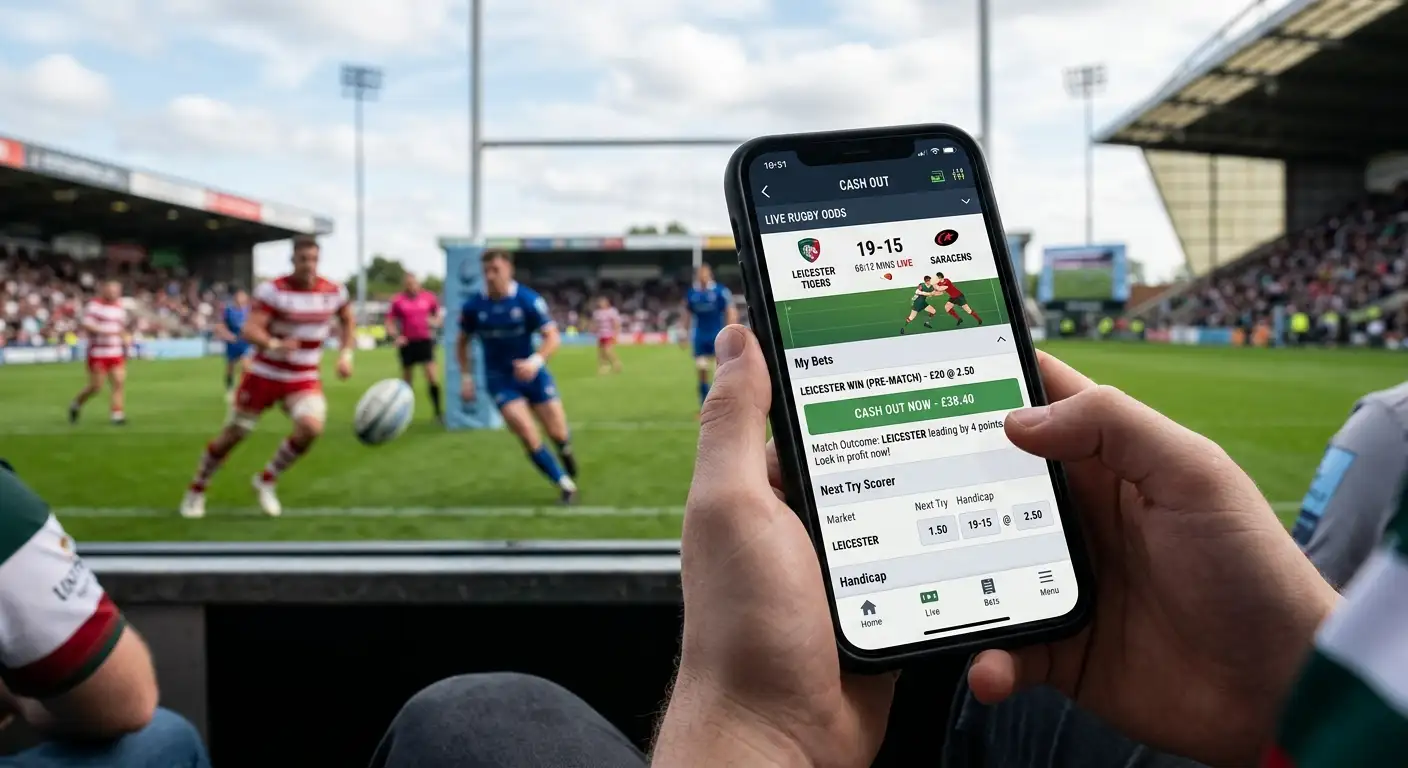
Worked example. You backed a pre-match favourite at 2.50 to win outright, staking £20 for a potential £30 profit. The favourite is leading at 60 minutes and the live odds have shortened to 1.30. The mathematically fair cash out value should be roughly £20 multiplied by (2.50 divided by 1.30) — about £38.50 of total return, or £18.50 in locked profit. The operator’s offer might be £35.50 or £36.20 — close to fair value but with the extra margin baked in.
That gap is the cost. Across a season of cashing out, the cumulative drag from operator margin on live cash out values can run into a meaningful percentage of total stakes.
Fair value versus offered cash out
The fair cash out calculation is simple once you know the live odds. Multiply your stake by the original price, then divide by the current live price. That gives you the implied fair return. Subtract that from the offered cash out to see the margin the operator is charging.
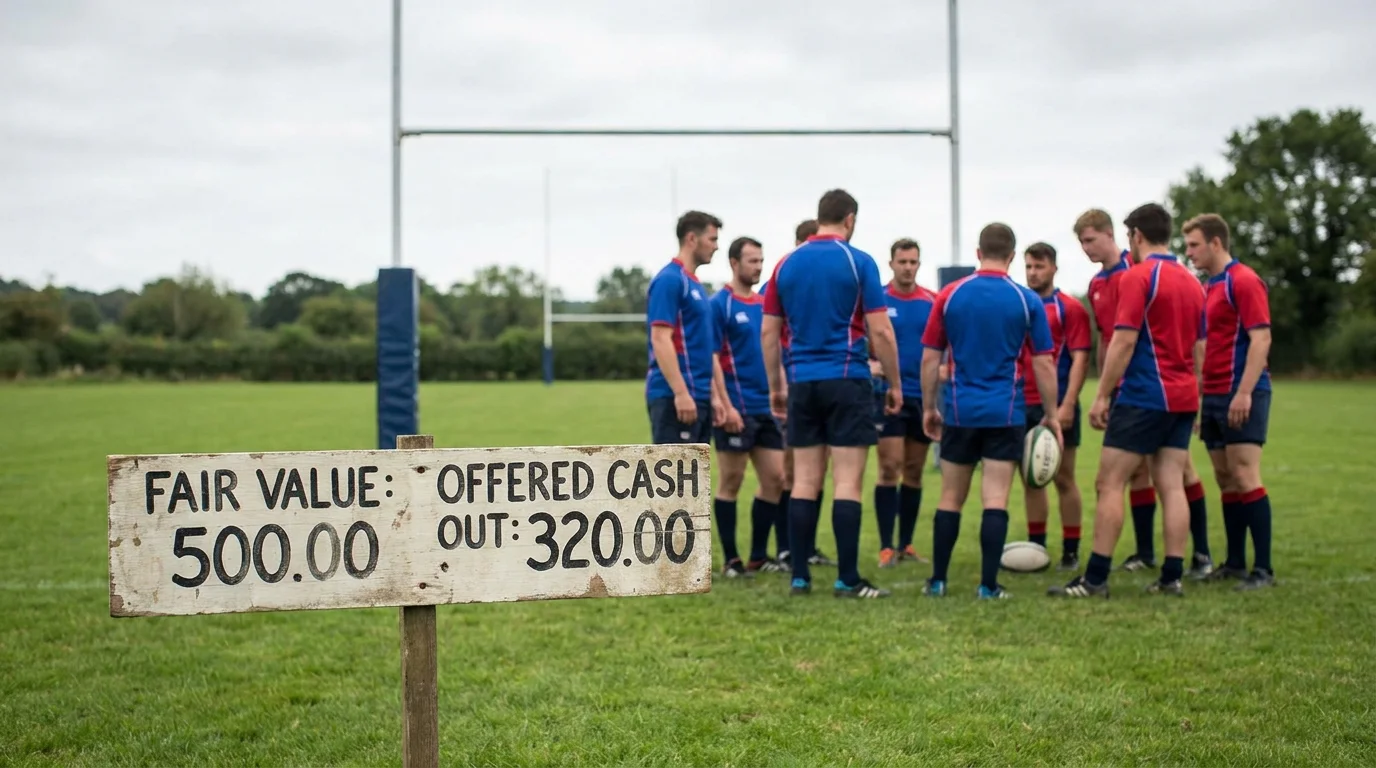
What I do with this calculation in practice: I run it on my phone in seconds before I press the button. If the offered cash out is within 3 to 5 percent of fair value, the operator is being reasonable. If it is more than 7 to 8 percent below fair value, the operator is charging a steep premium and I am better off letting the bet run.
The exception: when I want certainty more than expected value. There are scenarios where locking in a profit, even at a 10 percent discount to fair value, is the right call for bankroll reasons. Those scenarios are specific and recognisable, not the default state.
Partial and auto cash out
Partial cash out lets you take some of the value off the table while leaving the rest of the bet running. This is usually a better-engineered tool than full cash out — you keep some exposure to the upside while reducing variance.
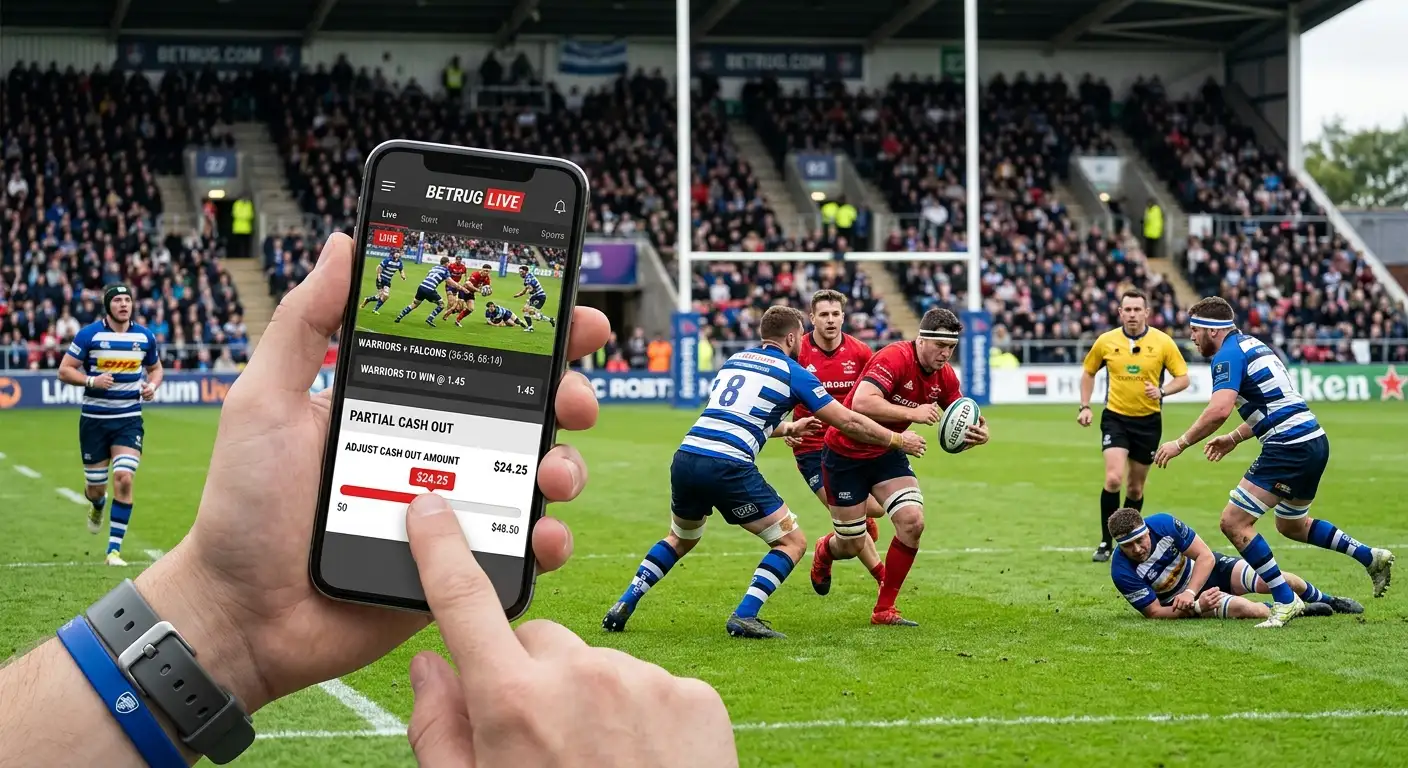
The use case I keep coming back to: ante-post bets that have shortened materially before the event. A Six Nations outright bet placed at 8.00 in September that has shortened to 3.50 by February is a candidate for partial cash out — take half the stake off as locked profit, let the other half ride for the tournament. The maths is the same as taking the full bet off, but the residual exposure means you still benefit if your original read pays out.
Auto cash out triggers at a pre-set value. Useful for live betting on matches you are not watching — set a trigger at 80 percent of maximum payout and walk away. The downside: auto cash out is a decision made before the match started, applied to circumstances that have changed. Set it carefully or not at all.
When cash out is genuinely rational
Cash out is rational in two specific scenarios. First, when your original analysis has been invalidated mid-match — for instance, the star player you were backing has been sin-binned and the live situation looks materially worse than your pre-match model expected. Locking in some value at this point is honest accounting, not panic.

Second, when bankroll constraints justify variance reduction. If the bet’s outcome would meaningfully affect your capital position regardless of expected value, cashing out at a fair price is sound discipline. This applies more to ante-post outright positions than to single-match bets.
What is not rational: cashing out because the live cash out value looks attractive in isolation. The value is always there because the bookmaker is charging you to exit. The question is whether that charge is worth paying given your specific circumstances.
Cash out and acca strategy
Accumulator cash out is where the operator margin gets steepest. The operator is offering you a single number to exit a multi-leg position with multiple still-live outcomes, and the maths to calculate fair value gets more complex.
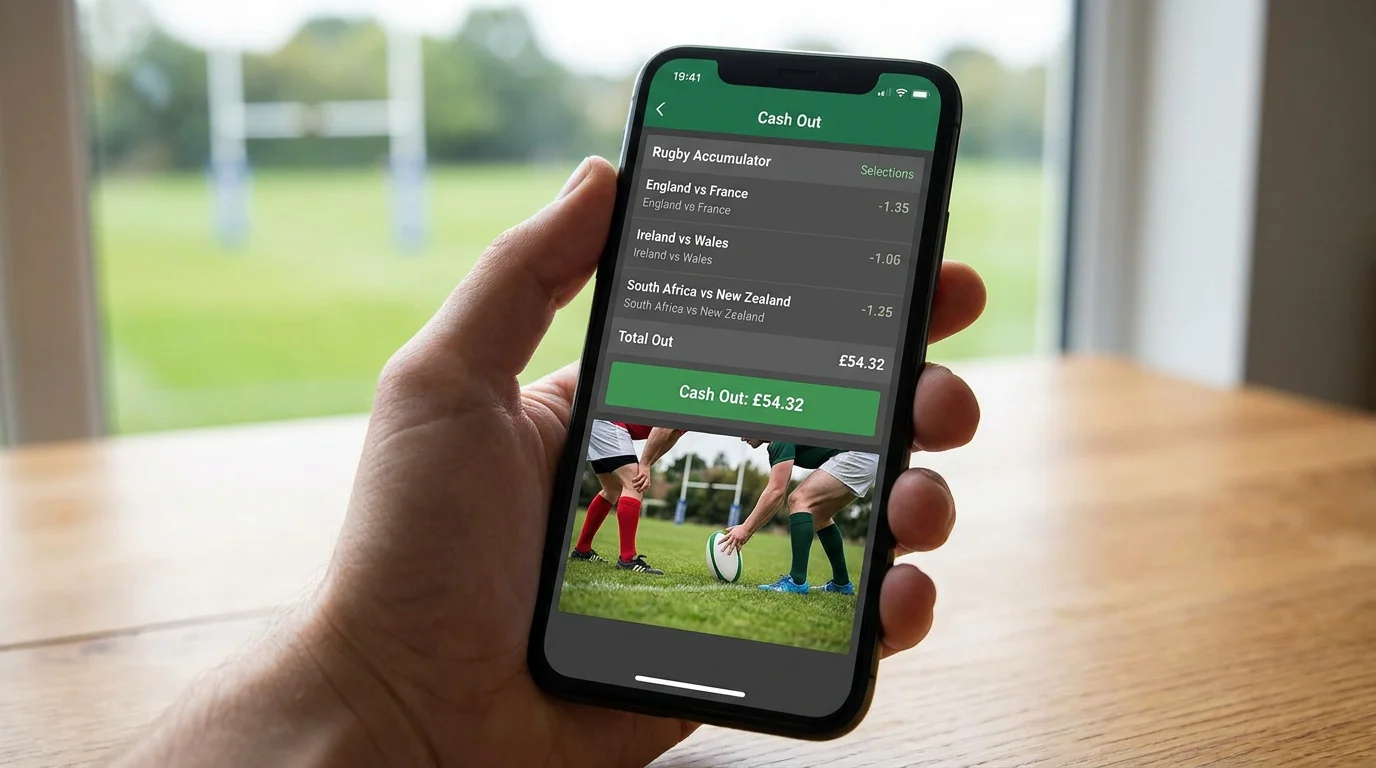
My rules for acca cash out. If three of four legs have won and one remains, take the cash out only if the remaining leg is genuinely uncertain — for instance, in-play with an unfavourable scoreline. If the remaining leg is comfortably winning at the time of the offer, let it run. The operator margin on a cash out at this point is typically 8 to 15 percent below fair value, and that is a steep price to pay for certainty when the bet is already close to settling.
Partial cash out on accas is even more valuable than on single bets. Take 50 percent of the value off when three of four legs win, leave 50 percent running for the last leg. You lock in profit and keep the upside.
The discipline that keeps cash out useful
Cash out is a feature I use, not a feature I rely on. The right approach is to know the fair value calculation, run it in seconds before pressing the button, and use cash out when it serves a specific purpose — invalidated analysis, bankroll discipline, partial profit-taking. Used reactively, the cumulative margin chips away at every successful bet. Used selectively, it is a legitimate tool. For the related strategy on stacked bets, my piece on cash out within an acca covers the multi-leg case in more detail.