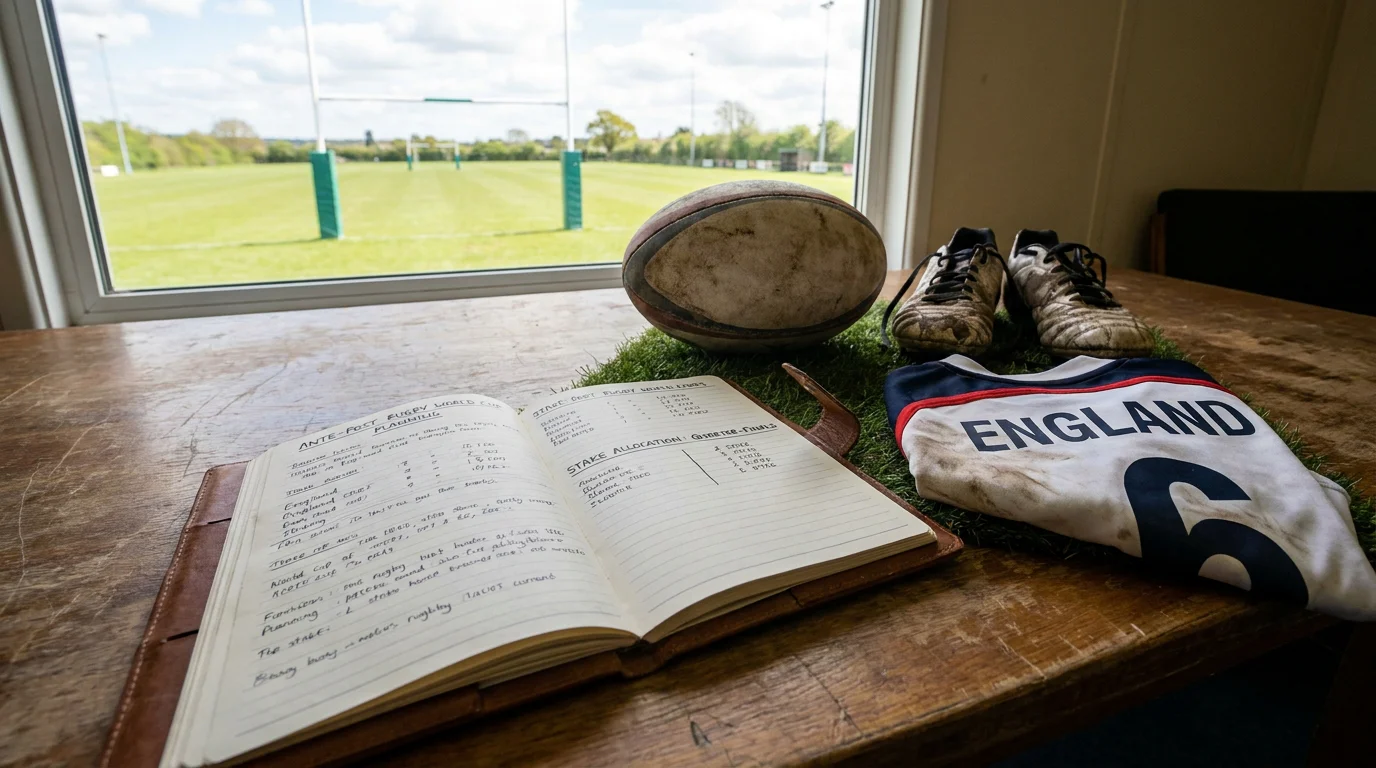
Rugby Ante-Post Betting: Outrights, Futures, and the Long Hold
 Available in US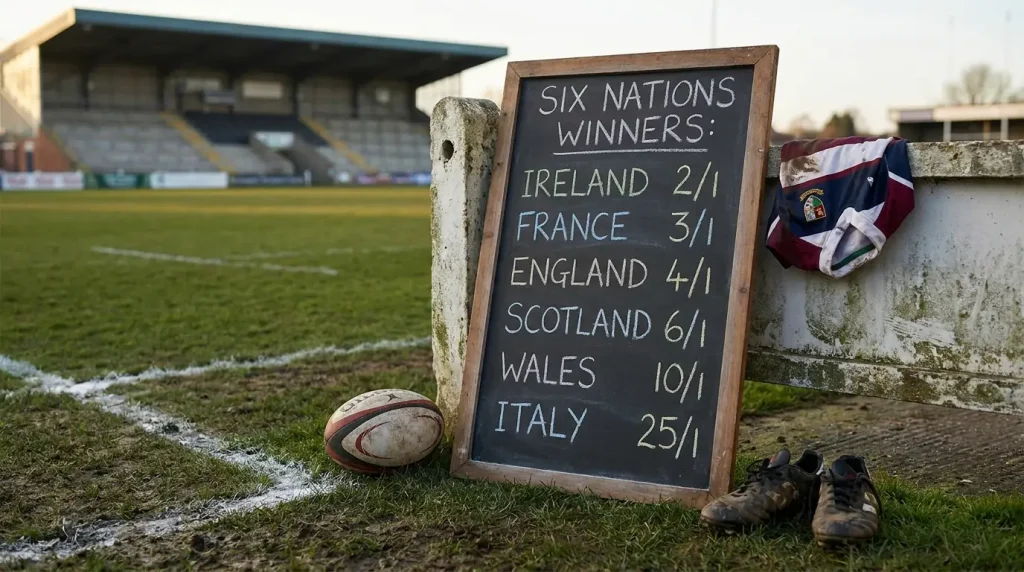
The bet you place months before the result
Ante-post betting is the patience game of rugby. You lock in a price now for a result that will not be known for three, six, or twelve months. The reward is a price that has not yet been compressed by accumulated public money and team news. The cost is months of dead capital and exposure to events the price could not yet account for.
The Six Nations is the cleanest example. The prize fund has grown 12.5 percent since 2020, with the 2025 champions France earning £6.5 million and the tournament rewards continuing to escalate. That growing prize structure shifts team motivation in ways that ante-post pricing has to factor in months in advance — and the pricing does not always get it right.
What counts as ante-post in rugby
An ante-post bet is any market that settles meaningfully after the bet is placed — usually weeks or months. The classic examples are tournament outright winners (Six Nations champion, Rugby World Cup winner, Premiership champion) and seasonal player props (top try scorer over a tournament, top points scorer in a league).

The defining feature is exposure to unknown events between the bet and the settlement. A Six Nations outright bet placed in September is exposed to injuries, coaching changes, autumn-international form swings, weather disruptions, and selection rotations across four months before the tournament even begins. Each of those exposures is a risk the closing-line price will absorb but the opening-line price will not.
The trade-off is the price itself. Outright winner markets often open with the top favourite at 2.00 or shorter and the second-favourite at 3.00 or more. The same markets in the week before the tournament might price the favourite at 1.65 and the second-favourite at 4.50. The early price is wider because the uncertainty is wider, and that wider price is the entire reason to bet ante-post.
Settlement rules and non-runners
This is where ante-post differs sharply from standard betting and where bettors lose money to fine print. The settlement rules vary across markets and across operators, and the differences materially affect the bet’s value.
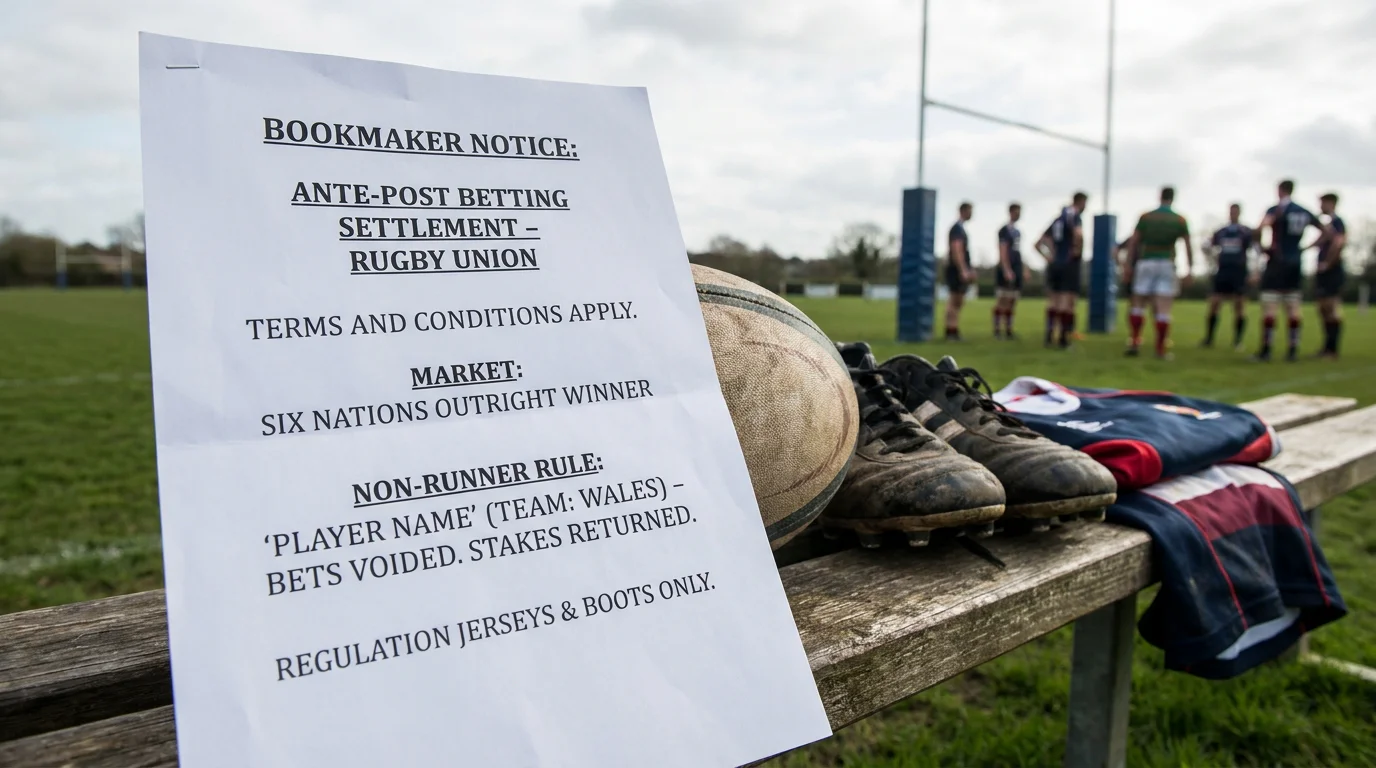
A typical scenario. You back a specific player at 12.00 ante-post to be the top try scorer at a tournament. The player gets injured in autumn and misses the tournament entirely. Some operators settle as a loss. Some refund the stake. Some treat it as a non-runner and rule the bet void. The terms are in the bet receipt, but newcomers rarely read them carefully.
For team-level outrights, the rules are usually cleaner — if a team withdraws from a tournament (rare but possible), bets are usually voided. For player props, the rules range from “all bets stand regardless of participation” through “void if player misses entire event” to operator-specific hybrid rules. Read the terms before you stake, especially on long-hold ante-post positions.
Outrights versus each-way
Each-way ante-post is the safety-net version of outright betting. Instead of betting purely on the outcome, you bet half on the outright and half on a place (typically top two or top three, sometimes top four depending on the market and field size).
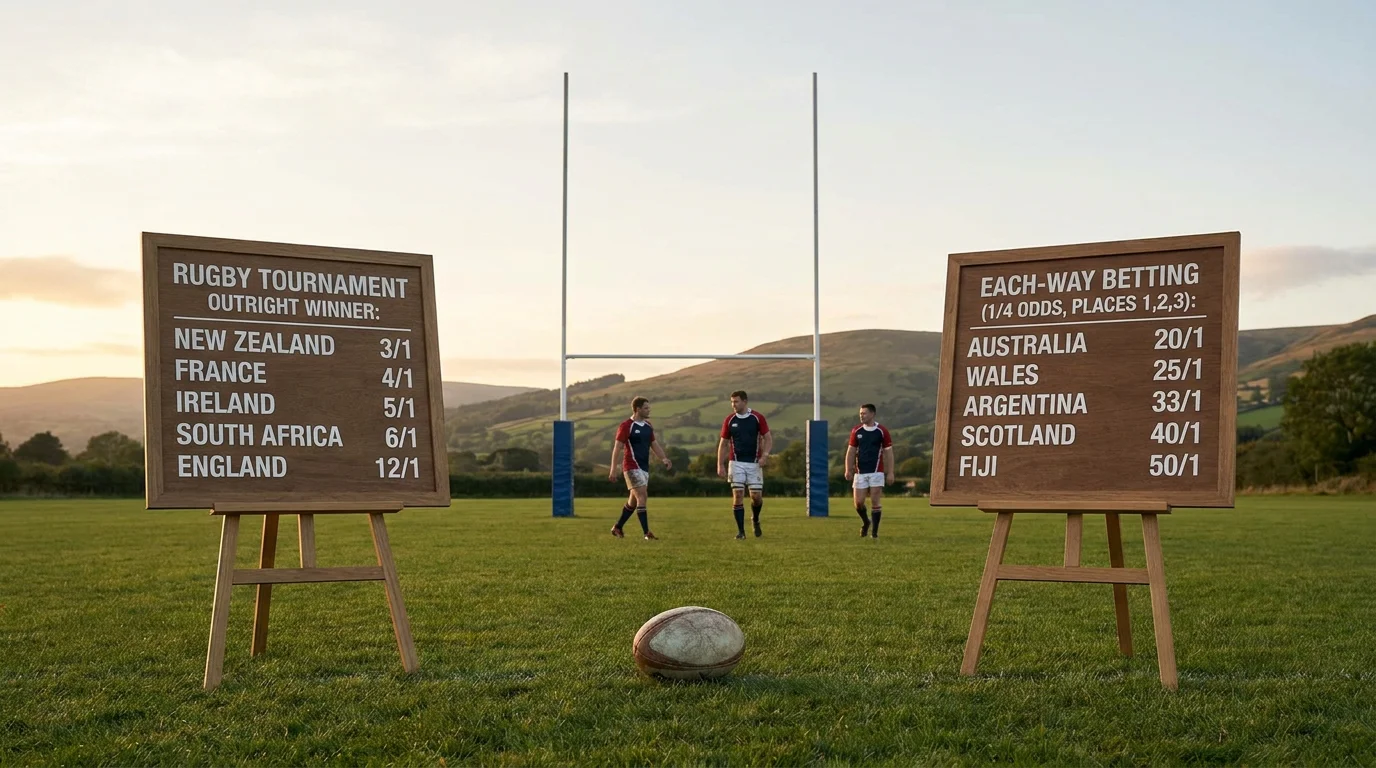
UK bookmakers do offer each-way on rugby outrights, but the terms vary widely. A Six Nations winner each-way might pay 1/3 of the win price for a top-two finish — meaning a 4.00 outright pays 1.99 for a runner-up finish, with stake returned plus a third of the win odds. That structure is much better for cautious bettors than a pure outright bet at the same price.
The cost is the wider effective overround. Each-way overround on outright markets typically runs 110 to 115 percent across all winners and place outcomes — worth knowing because a small field (six teams in the Six Nations) compresses the value of place finishes more than a larger field would.
Seasonal prop futures
Top try scorer, top points scorer, top tackler, and tournament most-improved markets are seasonal props that ante-post bettors can stake on for months. The pricing on these markets is noisier than team outrights because the player pool is large and individual injuries can wipe out a position instantly.
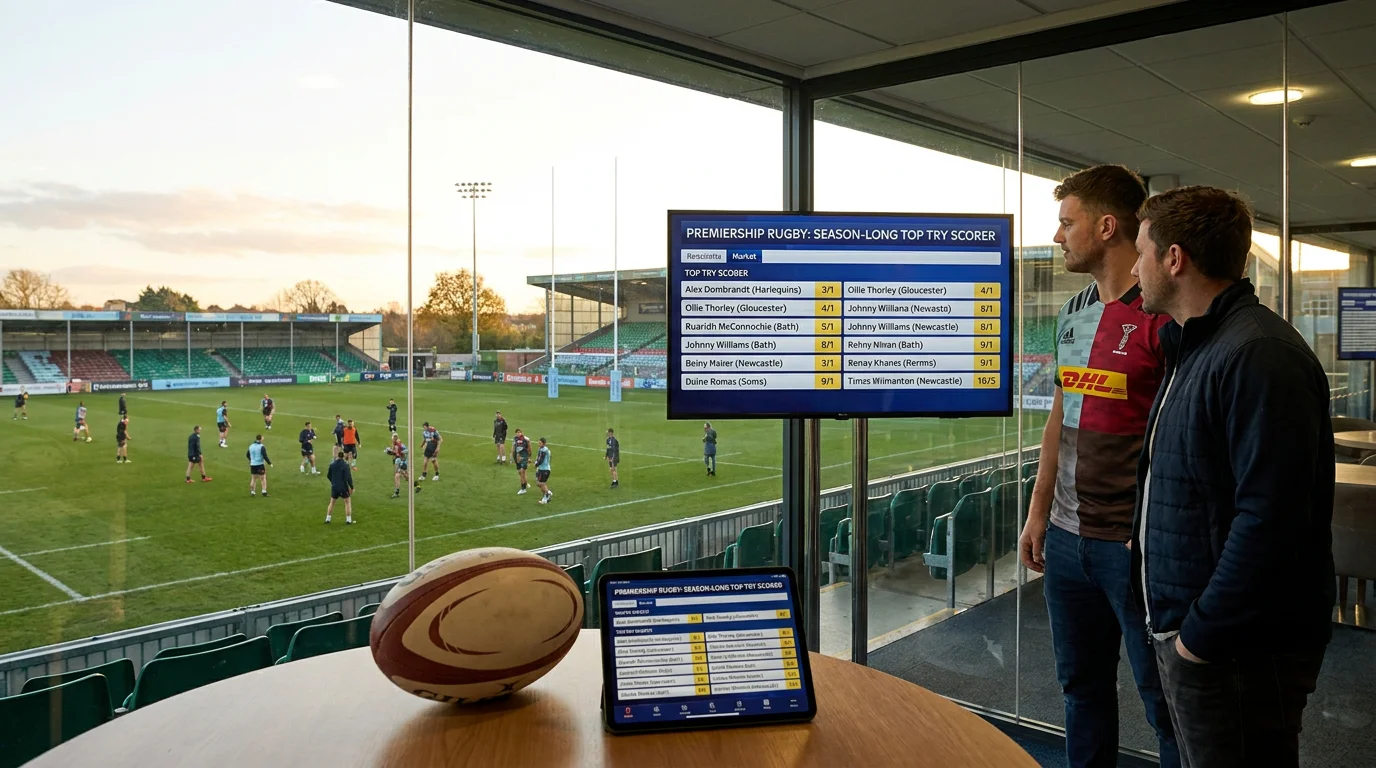
My approach: stake smaller on prop futures than on team outrights, spread across two or three named players, and avoid heavily favoured names because the price compression on those is steepest if they start the tournament well. The value sits in the 6.00 to 15.00 range — players who can realistically win the prop in a strong tournament but who are not the headline pick.
The settlement rules I mentioned earlier matter most on prop futures. A favourite who plays only one match and gets injured can settle very differently across operators. Concentrating prop ante-post on one operator with clear terms is usually better than spreading across multiple operators with conflicting rule sets.
Liquidity and line movement
Ante-post markets have less liquidity than near-term markets, especially on niche selections. The line movement reflects this — prices can move sharply on relatively small amounts of money, particularly in the weeks leading up to the event.
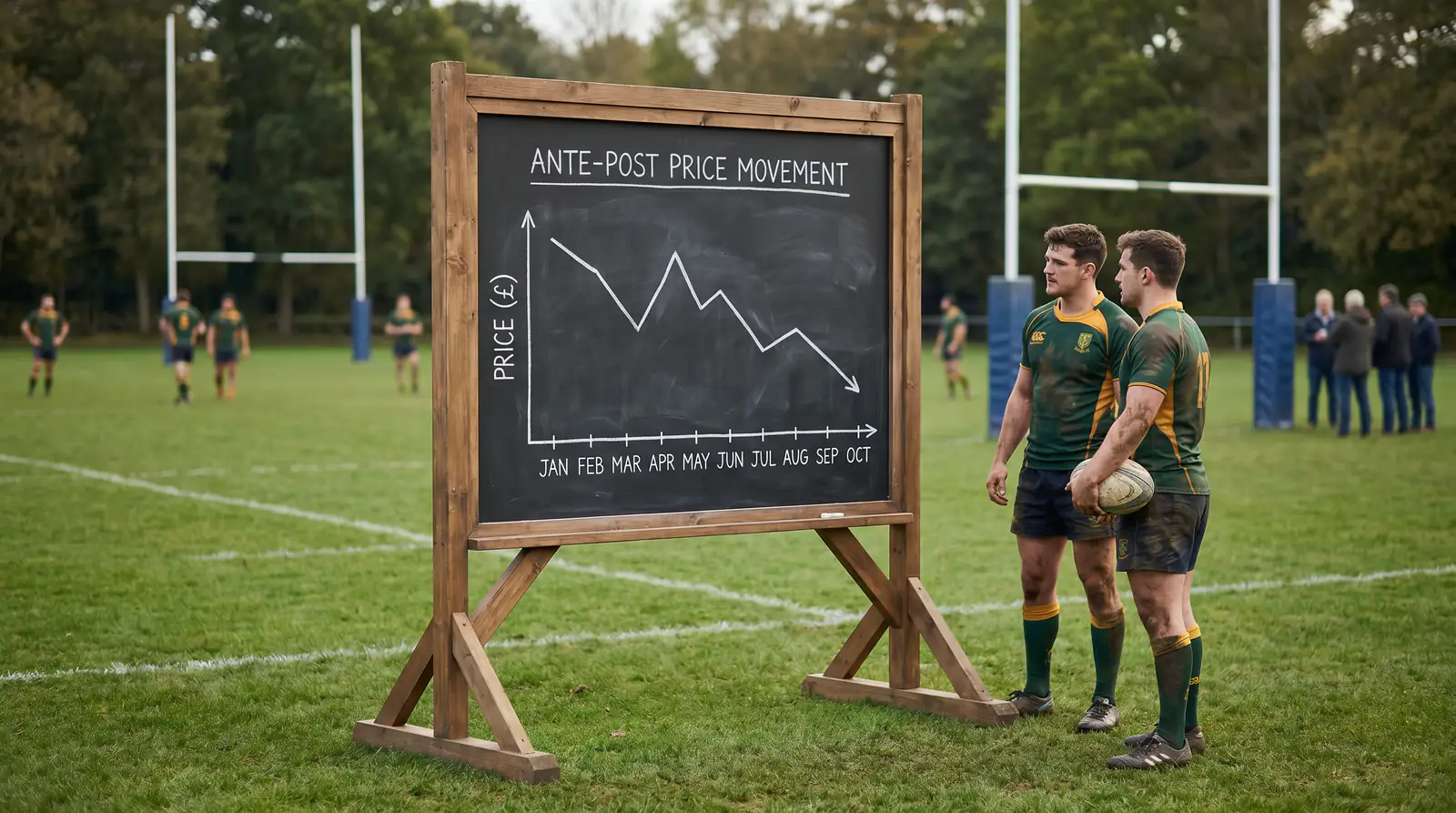
The pattern I track: opening lines tend to drift in the first two weeks as the market discovers itself, then stabilise, then move sharply in the final week before the event. Sharp early money on a particular selection can compress a 12.00 price to 8.00 in days; a single autumn-international result can do the same. Bettors who hold positions across these movements need a clear plan for whether to add, hold, or partially cash out.
Partial cash out is genuinely useful for ante-post. A position taken at 12.00 that has shortened to 5.00 can be partially cashed out for locked profit while leaving residual exposure. The operator margin on ante-post cash out is wider than on live single-bet cash out, but the option to lock in some value still has its place.
The discipline that makes ante-post work
Ante-post rewards patience and punishes overconfidence. Smaller stakes, longer-hold positions, partial cash out for risk management, and clear knowledge of the settlement rules — those four habits have kept my ante-post bankroll healthy across years of long-hold positions. The growing prize structures across major tournaments, the Six Nations prize fund up 12.5 percent since 2020, and the increased television revenue all flow into team motivation in ways the ante-post line cannot fully price six months in advance. That is the structural reason to bet ante-post — and the reason it remains one of the cleaner edges for patient bettors. For the each-way mechanics specifically, see my piece on each-way rules in rugby outrights.